All posts Talk to Flora
Back to blog

Article

HVAC AI Assistant: Everything You Need to Know Before Hiring One in 2026

HVAC AI Assistant helps HVAC contractors stop missed calls, qualify leads, and book more jobs after hours. FlowSystem AI helps answer every call and...

Published March 30, 2026 By FlowSystem AI LLC
HVAC AI Assistant: Everything You Need to Know Before Hiring One in 2026

HVAC AI Assistant matters because HVAC contractors lose revenue when high-intent callers reach voicemail, wait too long for a callback, or never get booked into the right next step.


HVAC AI Assistant: The Fast Answer

HVAC AI Assistant helps HVAC contractors answer every call, qualify the job, and move high-intent callers toward a booked appointment without waiting for a callback. This article explains how that works in real HVAC situations and what to look for before you choose a system.

Common Questions HVAC Contractors Ask About HVAC AI Assistant

What should HVAC contractors know about hvac voice assistant?

HVAC contractors usually care about three things with hvac ai assistant: answering every call, booking more jobs, and keeping the follow-up process tight. That is why the strongest setup focuses on speed, clear qualification, and a reliable booking workflow.

What should HVAC contractors know about smart hvac assistant?

HVAC contractors usually care about three things with hvac ai assistant: answering every call, booking more jobs, and keeping the follow-up process tight. That is why the strongest setup focuses on speed, clear qualification, and a reliable booking workflow.

What should HVAC contractors know about virtual assistant hvac?

HVAC contractors usually care about three things with hvac ai assistant: answering every call, booking more jobs, and keeping the follow-up process tight. That is why the strongest setup focuses on speed, clear qualification, and a reliable booking workflow.

What should HVAC contractors know about ai voice assistant for hvac?

HVAC contractors usually care about three things with hvac ai assistant: answering every call, booking more jobs, and keeping the follow-up process tight. That is why the strongest setup focuses on speed, clear qualification, and a reliable booking workflow.

What should HVAC contractors know about ai assistant for hvac companies?

HVAC contractors usually care about three things with hvac ai assistant: answering every call, booking more jobs, and keeping the follow-up process tight. That is why the strongest setup focuses on speed, clear qualification, and a reliable booking workflow.

How HVAC AI Assistant Works in Real HVAC Scenarios

  1. Caller reaches out after hours or during a busy dispatch window.
  2. HVAC AI Assistant answers immediately and confirms whether the issue is urgent.
  3. The system captures the key HVAC details like equipment issue, address, callback number, and preferred appointment window.
  4. The lead gets qualified so your team knows whether it is emergency service, maintenance, or a standard repair call.
  5. The next step is triggered with a booking, handoff, or confirmation workflow instead of voicemail.
  6. Your team follows up with context so the customer does not have to repeat everything.

What to Look for When Choosing HVAC AI Assistant

What to checkWhy it matters for HVAC
24/7 coverageMissed calls happen at night, on weekends, and during dispatch spikes.
HVAC-specific intakeThe system should capture real service details, not generic call-center notes.
Booking workflowThe goal is not just answering the call. The goal is moving the lead toward the job.
Fast handoffUrgent calls should route quickly with enough context for your team to act.

Ready to see how FlowSystem AI handles hvac ai assistant for your HVAC business? See how FlowSystem AI works.

hvac ai assistant — FlowSystem AI
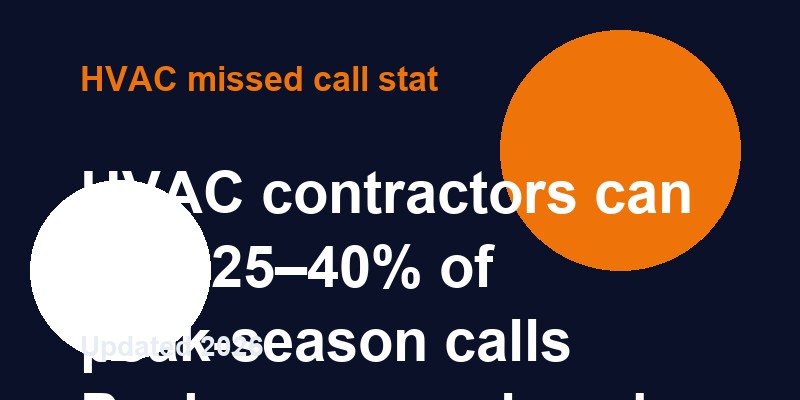
HVAC missed call statistics — 2026
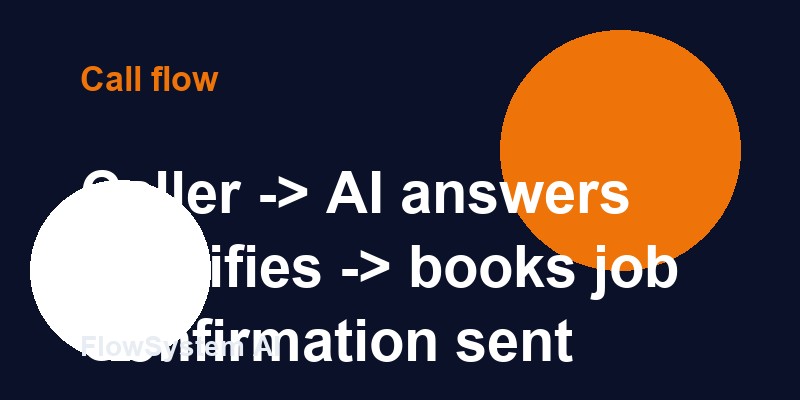
How FlowSystem AI handles HVAC calls automatically

Frequently Asked Questions

What should HVAC contractors know about hvac voice assistant?

HVAC contractors usually care about three things with hvac ai assistant: answering every call, booking more jobs, and keeping the follow-up process tight. That is why the strongest setup focuses on speed, clear qualification, and a reliable booking workflow.

What should HVAC contractors know about smart hvac assistant?

HVAC contractors usually care about three things with hvac ai assistant: answering every call, booking more jobs, and keeping the follow-up process tight. That is why the strongest setup focuses on speed, clear qualification, and a reliable booking workflow.

What should HVAC contractors know about ai assistant for hvac companies?

HVAC contractors usually care about three things with hvac ai assistant: answering every call, booking more jobs, and keeping the follow-up process tight. That is why the strongest setup focuses on speed, clear qualification, and a reliable booking workflow.

What should HVAC contractors know about ai voice assistant for hvac?

HVAC contractors usually care about three things with hvac ai assistant: answering every call, booking more jobs, and keeping the follow-up process tight. That is why the strongest setup focuses on speed, clear qualification, and a reliable booking workflow.

What should HVAC contractors know about virtual assistant hvac?

HVAC contractors usually care about three things with hvac ai assistant: answering every call, booking more jobs, and keeping the follow-up process tight. That is why the strongest setup focuses on speed, clear qualification, and a reliable booking workflow.

What should HVAC contractors know about benefits of using an hvac ai assistant?

HVAC contractors usually care about three things with hvac ai assistant: answering every call, booking more jobs, and keeping the follow-up process tight. That is why the strongest setup focuses on speed, clear qualification, and a reliable booking workflow.

What should HVAC contractors know about hvac ai assistant?

HVAC contractors usually care about three things with hvac ai assistant: answering every call, booking more jobs, and keeping the follow-up process tight. That is why the strongest setup focuses on speed, clear qualification, and a reliable booking workflow.

How does hvac virtual assistant job apply to HVAC contractors?

Hvac Ai Assistant works by answering the call immediately, asking the right HVAC intake questions, capturing the customer’s contact and service details, and routing the next step based on urgency. That keeps after-hours callers from bouncing to the next contractor.

HVAC AI Assistant: Everything You Need to Know Before Hiring One in 2026: Quick Comparison for Contractors

The fastest way to evaluate this decision is to compare what happens after a homeowner calls. The right answering setup should do more than collect a message. It should answer quickly, understand the job, and move the caller toward a booked appointment.

For HVAC and home-service contractors, the practical question is not whether the phone technically rings. The question is whether every high-intent caller gets a useful next step while the need is still urgent. A homeowner with no heat, no cooling, a leak, or a failed system will not wait long for a callback. If the first contractor does not answer, the caller keeps moving down the search results.

That is why the strongest call-handling setup is measured by response speed, qualification quality, booking accuracy, and follow-up visibility. A good system should capture the customer name, callback number, service address, issue type, urgency, preferred time window, and any notes your dispatcher needs before sending a technician. It should also separate emergency calls from routine requests so the team can respond in the right order.

FlowSystem AI is designed around that workflow. Flora answers the call, asks the right questions, keeps the customer engaged, and gives the business a cleaner handoff than a voicemail or bare message slip. For contractors comparing options, this matters because missed calls are rarely neutral. They usually mean lost jobs, slower response times, and less predictable revenue during the busiest parts of the season.

OptionWhat happens for the callerBest fit
VoicemailThe caller waits for a callback and may call another contractor.Low-volume shops with limited after-hours demand.
Traditional answering serviceA person takes a message, but booking often still waits for office staff.Teams that only need basic message capture.
FlowSystem AIFlora answers, qualifies the lead, captures the details, and helps move the call toward booking.Contractors who want fewer missed calls and faster follow-up.

For more context, compare this with how an HVAC virtual receptionist works, the missed-call revenue math, and the main FlowSystem HVAC receptionist page.

How to Use This in a Real HVAC Business

Start by looking at one week of inbound calls. Count how many calls were missed, how many went to voicemail, how many were answered but not booked, and how many required a second follow-up before the customer got a clear next step. That simple review usually shows where revenue is leaking.

Next, compare those calls against your highest-value job types. Emergency service, replacement opportunities, maintenance plan renewals, and after-hours repair requests should not sit in a generic callback pile. They need immediate triage, clear notes, and a handoff your team can trust.

Finally, decide what the customer should experience. A strong answering process should feel calm and direct. The caller should know they reached the right company, understand what information is needed, and leave the call with a next step. That is the difference between basic answering and a system that actually supports booked revenue.

What a Strong Call-Handling Process Should Include

A strong process begins before the phone rings. The business should know which calls need immediate escalation, which calls can be booked into the next available window, and which calls need more information before dispatch. That means the answering system needs rules, not just a greeting. It should know what counts as urgent, what information must be collected, and when the customer should be routed to a human.

The intake should also be specific to home services. A vague message like "customer needs service" is not enough for a dispatcher or technician. Useful intake includes the equipment issue, symptoms, access notes, service address, preferred timing, whether the customer is an existing customer, and any safety concerns. Better notes reduce back-and-forth and help the team respond with confidence.

The final piece is visibility. The owner or dispatcher should be able to see what happened on the call without digging through voicemail. A good system creates a clear record, shows the next step, and makes follow-up easier. That is why AI call handling is strongest when it connects answering, qualification, booking, and follow-up into one workflow.

How to Tell Whether It Is Working

The first metric is answer rate. If more calls are being answered in real time, the business has a better chance of capturing demand. The second metric is qualified lead capture. The system should separate real service opportunities from spam, vendors, and low-fit calls. The third metric is booked or routed next steps. If the call is answered but no action happens, the bottleneck has only moved.

Contractors should also watch response time after hours, customer repeat questions, and how often office staff has to chase missing information. When those numbers improve, the answering process is doing more than sounding professional. It is reducing operational drag and protecting revenue.

For SEO and AI search, the same clarity matters on the page. The best content answers the real buyer questions: what it is, how it works, what it costs, when it makes sense, what to compare it against, and what the next step looks like. That is why each FlowSystem article is checked for depth, Q&A, structured sections, tables, visuals, internal links, and working images before the system treats it as healthy.

Owner Checklist Before You Choose

Before choosing any answering or receptionist system, the owner should write down the actual operating rules of the business. What counts as an emergency? Which jobs should be booked right away? Which calls should go to the owner, the dispatcher, or the on-call technician? Which service areas are profitable enough to prioritize? These details matter because a generic answering script cannot protect the business the way a clear workflow can.

The next step is to define the handoff. A good call summary should tell the team who called, what they need, where the job is located, how urgent it is, whether they are an existing customer, and what action should happen next. If the office still has to call back just to gather the basics, the system is not saving enough time. It is only moving the work from one place to another.

Owners should also review the customer experience. The caller should not feel like they reached a dead end, a confusing menu, or a disconnected message-taker. They should feel like the company answered, understood the issue, and had a clear process for what happens next. That matters for conversions, reviews, referrals, and long-term trust.

For growth-focused contractors, the best setup is not simply the cheapest call coverage. It is the setup that keeps high-intent demand from slipping away while the team is busy, closed, on another call, or in the field. When the phone process is clean, marketing works harder, dispatch has better information, and owners get a clearer view of where leads are coming from and where money is being lost.

Questions Contractors Ask Before Choosing

What should a contractor check first?

Start with the calls that are currently missed, delayed, or sent to voicemail. Those calls show where the answering process is costing revenue.

Does the system only answer calls?

No. A useful setup should answer, qualify, capture the job details, and help the customer move toward the next step instead of leaving a loose message.

Why does speed matter for home-service calls?

Homeowners often call more than one contractor when the issue feels urgent. The company that answers clearly and quickly has the best chance of winning the job.

How does this help with AI search?

Clear answers, comparison tables, visible Q&A, and structured content make the page easier for search systems and AI answer tools to understand.

What makes the content useful for SEO?

The page should answer the searcher's question clearly, cover the topic in enough depth, include comparison points, link to related resources, and avoid thin or repetitive copy.

What should happen after the call is answered?

The system should capture the job details, confirm urgency, route the lead when needed, and give the contractor enough context to follow up without making the customer repeat everything.

Stop sending HVAC calls to voicemail.

FlowSystem AI answers every call, qualifies every lead, and books every job — 24/7, no voicemail, no missed opportunities.